_Local_Dish_Siddhu_%26_Red_Rice.jpg)
The quickest way to understand life in Himachal is to pay attention to what appears on the table. Himachal Tourism notes that each valley keeps its own favourite dishes and cooking styles, shaped by isolation, climate, and ingredients that can handle mountain conditions. That is exactly how the food feels in real life: practical first, memorable immediately after.
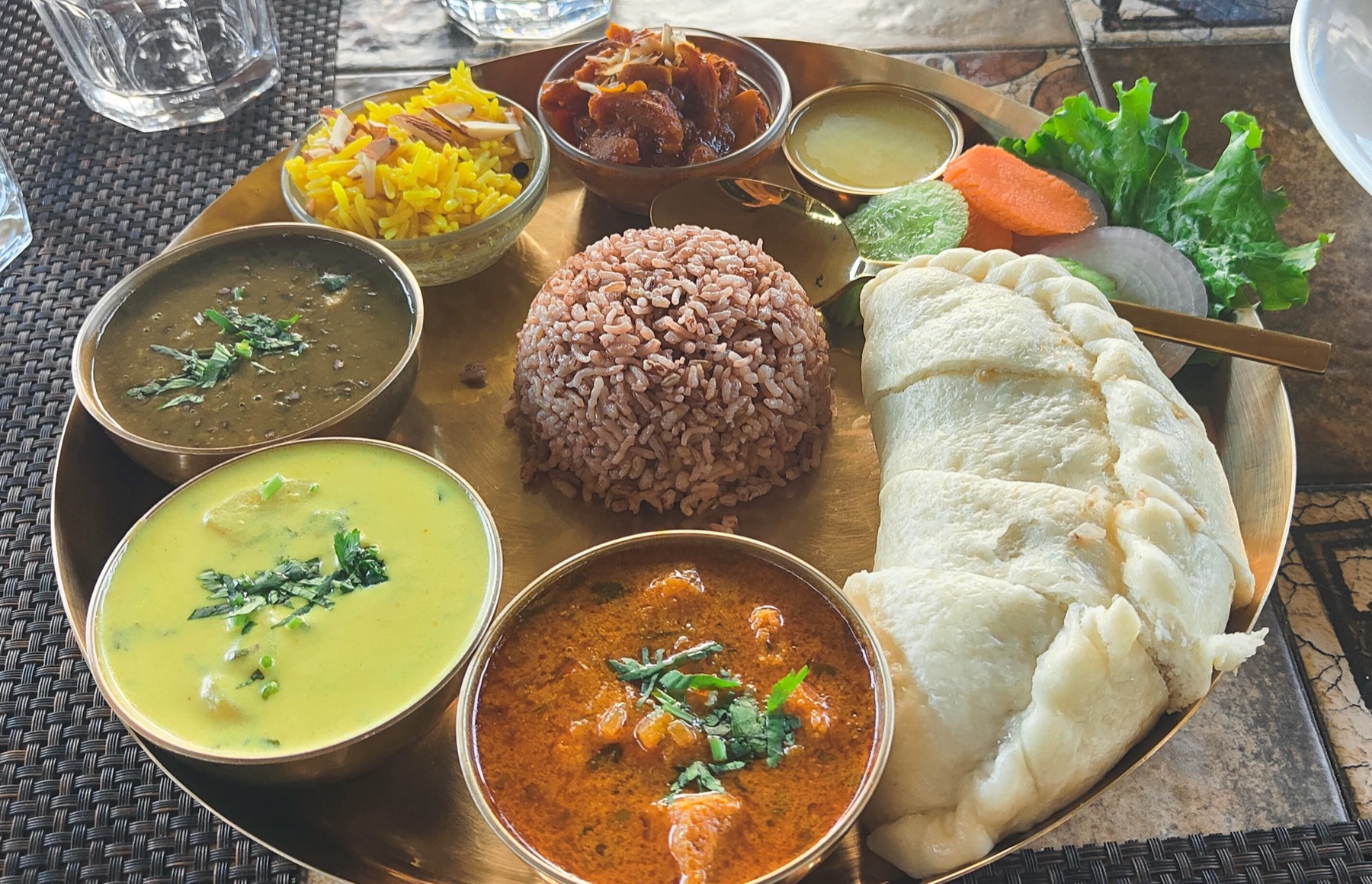
Local dish from Kullu region: Tarun Adhikari 43 / Wikimedia Commons
Why mountain food is built this way
Cold mornings demand calories that last. Wet days demand ingredients that store well. Long distances between markets encourage meals based on grains, pulses, ghee, pickles, and whatever the season gives willingly.
That is why Himachali food often feels sturdy instead of flashy. It is meant to keep people warm, full, and moving.
What changes with the season
Spring and early summer
Greens return, herbs brighten up simple meals, and fruit belts start to look alive again. Lighter sabzis, curd, and fresh rotis feel natural.
Monsoon
Road delays and damp weather make kitchens more cautious. Staples matter more than novelty, and hot tea becomes a scheduling tool.
Autumn and winter
This is when orchard life and stored food become most visible. The logic of the hills sharpens: dried goods, beans, fermented doughs, stronger gravies, and generous use of warmth-giving fats.
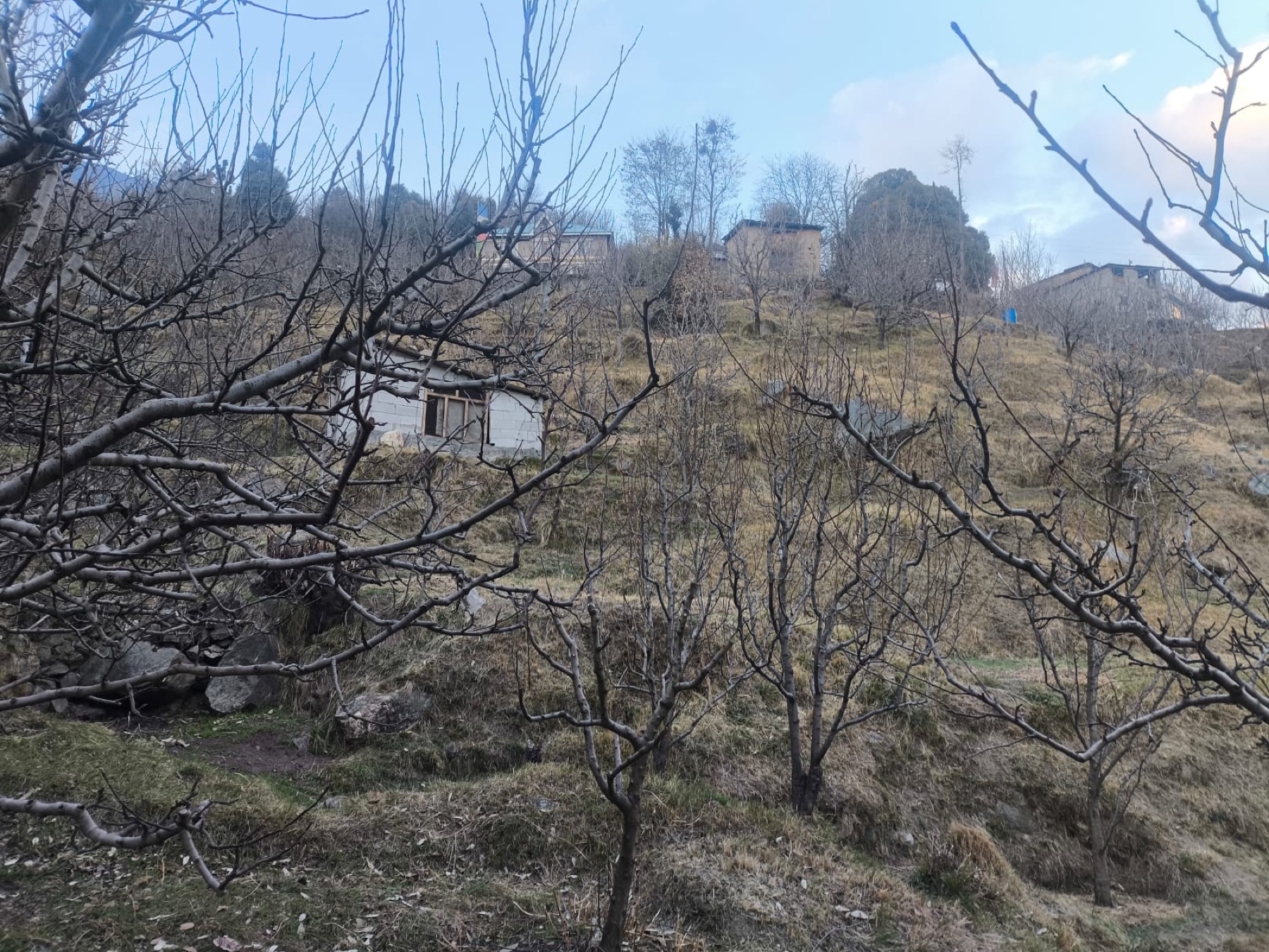
Apple country mood: Rajani Gairshail / Wikimedia Commons

Dishes visitors should notice
Siddu
Soft, steamed, and deeply satisfying. It is the kind of food that explains itself after one cold morning.
Rajma and red rice
A mountain classic because it is hearty without being complicated.
Dham-style flavours
Ceremonial and community food still shapes how many visitors understand Himachali hospitality: slow cooking, balance, and abundance without waste.
Food is also social geography
In Himachal, kitchens are not separate from landscape. Orchard work, temple events, guest arrivals, snowfall, and market access all leave fingerprints on the menu. The meal tells you what the road was like, what the weather has been doing, and how closely the household still cooks with the season.
For guests, the best approach is curiosity over comparison. Ask what is local, what is homemade, and what people here eat in winter. You usually get a better answer than any menu description can offer.